- DIY plumbing repairs often lead to hidden damage and higher long-term costs
- Florida homes face unique plumbing challenges that require professional expertise
- Licensed plumbers protect your home, safety, and compliance with local codes
Screenshot
Why Are DIY Plumbing Repairs So Tempting for Homeowners?
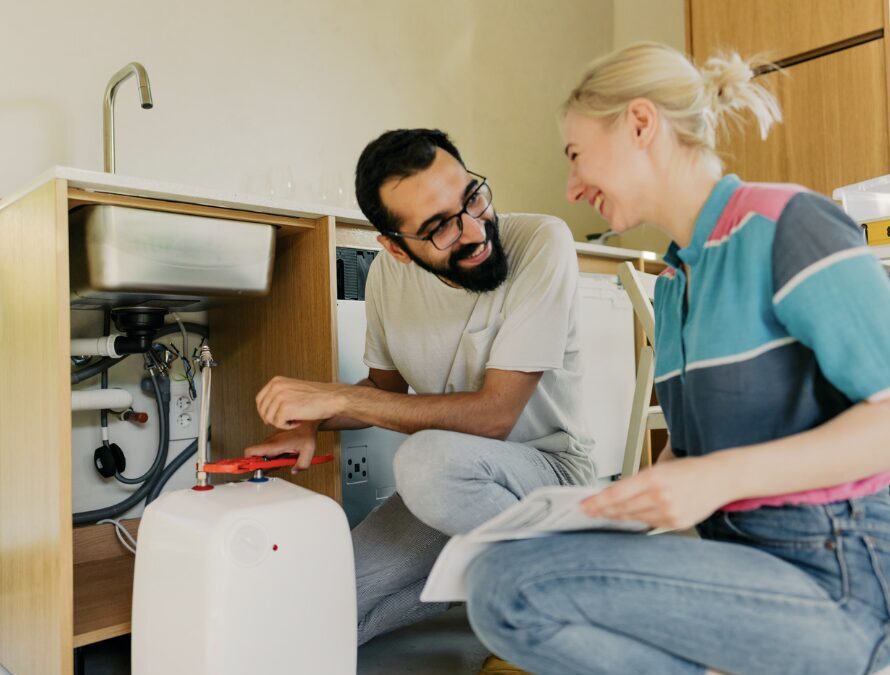
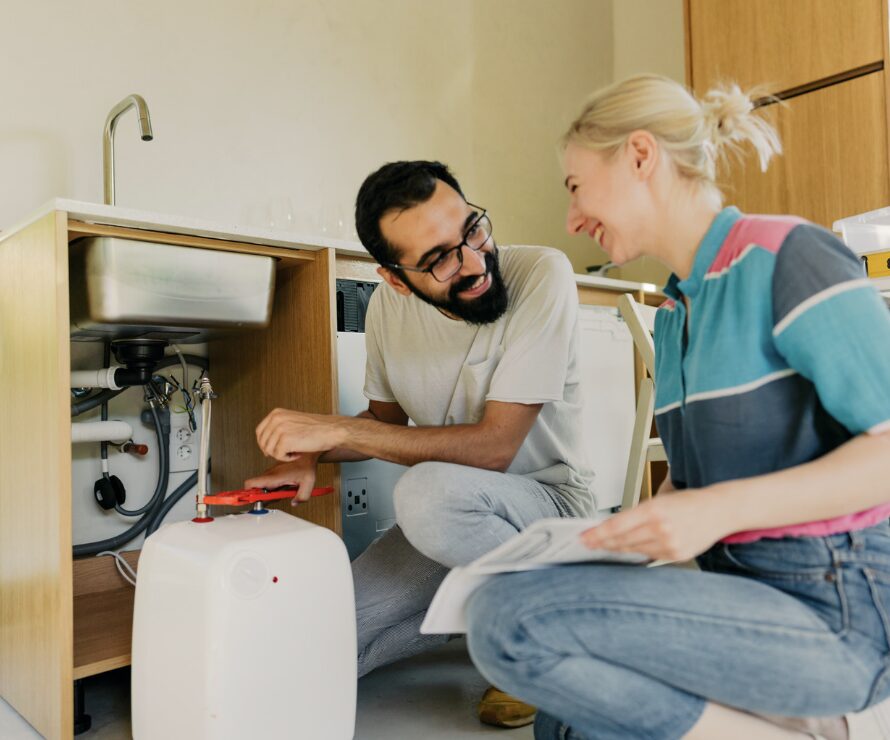
Online tutorials and quick-fix videos make plumbing repairs look simple. Many homeowners attempt DIY plumbing repairs hoping to save time and money.
However, plumbing systems are more complex than they appear. What looks like a minor issue can quickly escalate into water damage, mold growth, or system failure—especially in Florida homes.
What Are the Biggest Risks of DIY Plumbing Repairs?
Can Small Mistakes Cause Major Water Damage?
Yes. Improper connections, overtightened fittings, or incorrect materials can cause slow leaks behind walls or under floors. These issues often go unnoticed until significant damage has already occurred.
Why Do Florida Plumbing Systems Require Special Knowledge?
Florida homes are affected by:
- High humidity
- Hard water and mineral buildup
- Aging or mixed pipe materials
- Strict building and plumbing codes
A professional plumber in Bradenton understands how these factors impact plumbing performance and durability.
Do DIY Plumbing Repairs Often Cost More in the Long Run?
How Can a DIY Fix Turn Into an Expensive Repair?
Temporary fixes may mask underlying problems. When leaks worsen or pipes fail, homeowners often face emergency repairs, water damage restoration, and higher labor costs than if the issue had been handled correctly from the start.
Can DIY Plumbing Repairs Affect Home Insurance or Resale Value?
Unpermitted or improper plumbing work may void insurance claims or cause issues during a home inspection. Buyers and insurers expect plumbing work to meet code and be completed by a licensed professional.
What Does a Professional Plumber Do Differently?
Professional plumbers:
- Diagnose the root cause of the issue
- Use proper materials and installation methods
- Ensure compliance with Florida plumbing codes
- Test repairs for long-term performance
This approach reduces risk and protects your investment.
When Is It Especially Important to Avoid DIY Plumbing Repairs?
DIY plumbing should be avoided when dealing with:
- Hidden leaks
- Sewer or drain issues
- Water heater repairs
- Pipe replacements
- Low water pressure affecting multiple fixtures
These situations require professional tools and experience.
Frequently Asked Questions
Are any plumbing repairs safe to DIY?
Minor tasks such as replacing a faucet aerator or tightening a loose handle may be manageable. However, anything involving pipes, water lines, or drainage should be handled by a licensed plumber to avoid damage or code violations.
Can DIY plumbing repairs cause mold problems?
Yes. Small leaks caused by improper repairs can lead to hidden moisture, creating ideal conditions for mold growth. Mold remediation is often far more expensive than professional plumbing repair.
Do professional plumbers save homeowners money long-term?
In most cases, yes. Professional repairs address the root cause, reduce the risk of repeat issues, and prevent costly water damage, making them more cost-effective over time.
Do plumbing repairs require permits in Florida?
Some plumbing repairs and replacements do require permits. A licensed plumber ensures all work meets local regulations and permit requirements, protecting homeowners from compliance issues.
Protect Your Home by Choosing Professional Plumbing Repairs
DIY plumbing repairs may seem convenient, but the risks often outweigh the savings. Professional service ensures safety, reliability, and long-term performance, especially in Florida homes. Contact Wyman Plumbing today to schedule professional plumbing repairs and avoid costly DIY mistakes.